Dealing with fly-tipping on Hayes streets: quick fixes
Fly-tipping is one of those jobs that can turn a normal morning into a bit of a headache. You step outside, expecting the usual bin run or school dash, and there it is: broken chairs, black bags, old plasterboard, maybe a sagging sofa dumped half on the pavement. If you are dealing with fly-tipping on Hayes streets: quick fixes matter because the mess affects safety, kerb appeal, access, and sometimes even neighbour relations before anyone has had their tea.
This guide keeps things practical. We will look at what fly-tipping really means, what you can do straight away, how to handle a small dump without making it worse, and when it is smarter to call in proper clearance support. If you live, work, or manage property in Hayes, the goal is simple: get the area safe, clean, and back to normal as quickly as possible.
Table of Contents
- Why quick action matters
- How the quick-fix approach works
- Key benefits and practical advantages
- Who this is for
- Step-by-step guidance
- Expert tips for better results
- Common mistakes to avoid
- Tools, resources and recommendations
- Law, compliance and best practice
- Options and comparison table
- Case study or real-world example
- Practical checklist
- Conclusion
- Frequently asked questions
Why Dealing with fly-tipping on Hayes streets: quick fixes Matters
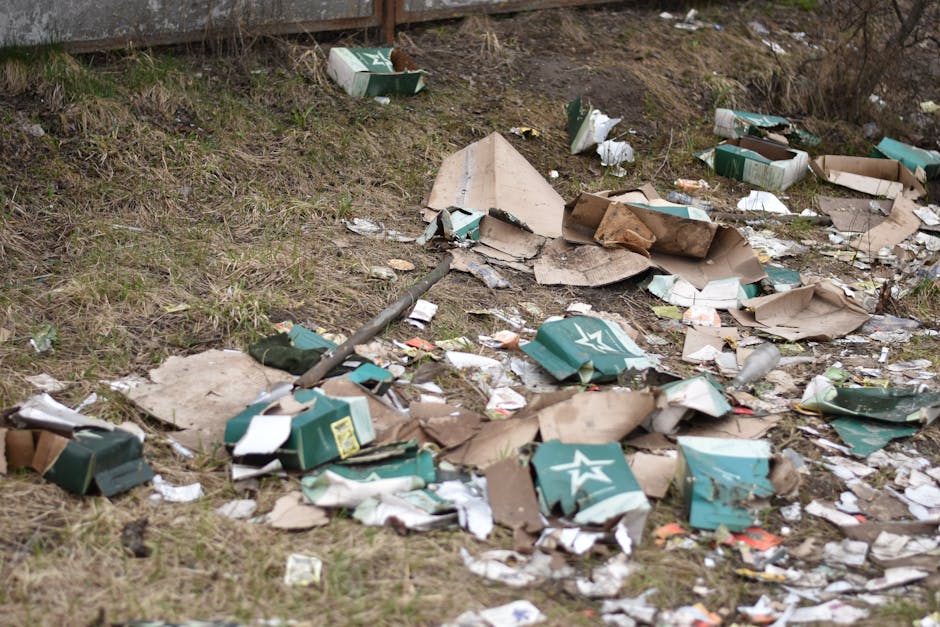
Fly-tipping is not just an eyesore. On a busy street in Hayes, it can block pavements, attract pests, create trip hazards, and make an area feel neglected very quickly. One dumped mattress or pile of rubble can snowball into a bigger problem if it sits there for days, especially after a bit of rain when cardboard goes soggy and loose plastic starts blowing around like it has a mind of its own.
There is also a knock-on effect people often miss. A messy corner can encourage more dumping. It sounds odd, but it happens. One unattended pile gives the impression that nobody is watching, so others add a bag, then a chair, then a broken cabinet. Before long, a small problem becomes a street-level nuisance.
Quick fixes matter because they reduce that spiral. The right response on day one keeps the job manageable. It can also protect residents, tenants, landlords, shopfronts, and anyone responsible for keeping a shared area tidy. Truth be told, the faster you act, the less complicated it usually becomes.
Expert summary: The best early response is simple: make the area safe, document the dump, separate what can be reported from what can be cleared, and arrange lawful removal as soon as practical.
How Dealing with fly-tipping on Hayes streets: quick fixes Works
A quick-fix approach does not mean rushing in with bin bags and hoping for the best. It means using a sensible sequence. First comes safety. Then comes identification of what has been dumped. Then comes the decision: can this be reported, cleared, or both?
In a real street situation, the process usually looks like this:
- Check the scene. Look for glass, needles, chemicals, sharp metal, or anything that could injure someone.
- Take clear photos. A few useful shots are enough: wide view, close-up, and any visible labels or addresses.
- Keep people away. If it is on a footway or near a school run route, place simple temporary caution around it if you can do so safely.
- Separate the issue from the solution. Some items may help identify the source; others are simply a clearance job.
- Decide on removal method. Small, safe loads may be moved carefully; larger or mixed waste usually needs proper clearance.
- Arrange collection or clearance. The key is not leaving it to sit there for another week.
The quick-fix part is really about reducing risk and delay. If you need broader waste support, a service such as waste removal can help with mixed loads that are awkward to handle, while more specific situations like old household items or bulky rubbish may fit better with house clearance or furniture disposal.
That distinction matters. A dumped wardrobe is not handled the same way as a pile of mixed builder's rubble. Sounds obvious, but in practice people often lump everything together and then wonder why the response takes longer than expected.
Key Benefits and Practical Advantages
There are a few clear wins when you deal with fly-tipping quickly and properly.
- Safer streets: fewer hazards for pedestrians, cyclists, pushchairs, and delivery drivers.
- Better first impressions: a tidy street feels cared for, which is especially important near shops, flats, and shared entrances.
- Less repeat dumping: removing waste quickly reduces the invitation effect.
- Lower stress: a plan is easier to live with than a growing pile outside the window.
- Better sorting: reusable, recyclable, and non-recyclable items can be separated more sensibly.
There is also a hidden benefit: quicker action often helps you spot patterns. If the same kind of waste keeps appearing, you can adjust lighting, access, signage, storage, or collection routines. That is where practical street management starts to get ahead of the problem rather than simply reacting to it.
For households and landlords in Hayes, a tidy-up can also support wider clearances. For example, if an overflowing yard or garage is contributing to outside clutter, a garage clearance or home clearance can remove the pressure point rather than just the visible mess.
Who This Is For and When It Makes Sense
This approach is useful for a wide range of people. It is not only for homeowners who have found rubbish at the end of the driveway. In practice, it helps anyone responsible for a street-facing space or shared area.
- Residents who discover dumped bags, furniture, or household waste near their property.
- Landlords and letting agents who need to restore a property frontage between tenancies.
- Shop owners who need access kept clear for customers and deliveries.
- Facilities or estate managers dealing with communal entrances and service yards.
- Builders and tradespeople who need to separate legitimate waste from illegal dumping near a site.
It makes sense whenever the waste is visible, obstructive, or likely to spread. It also makes sense when the item mix is awkward. A few bags of general waste are one thing. A mix of broken plasterboard, rotten timber, and old appliances is another entirely. For those bigger or messier situations, a dedicated service such as builders waste clearance can be the cleaner option.
And if the issue is not a street dump but a business frontage or yard, business waste removal may be the more relevant route. Different waste, different fix.
Step-by-Step Guidance
If you want the shortest practical path from mess to sorted, follow this order. It keeps the job controlled and avoids a few common headaches.
1. Make the area safe first
Do not move into a dump blindly. Check for broken glass, sharp metal edges, exposed screws, unknown liquids, syringes, or chemical containers. If anything looks hazardous, stop and treat it as a safety issue before it is a clearance issue. That little pause can save a nasty cut or worse. Nobody needs that on a wet Monday morning.
2. Document what is there
Take photos before anything is touched. Include the full pile, nearby landmarks, and any labels, envelopes, packaging, or address slips. If there is evidence, it may matter later. If there is no evidence, the photos still help record what was present and how much there was.
3. Separate obvious categories
Try to identify whether the waste is household, garden, furniture, office, builders, or mixed rubbish. A small amount of garden waste can be dealt with differently from a dumped sofa or old filing cabinets. This matters because the waste type affects the right removal method and how it should be sorted.
4. Remove only what you can safely handle
If the items are light, clean, and clearly safe, you may be able to gather them into sacks or bundles. But do not overdo it. A quick fix should not become a back injury. If there is broken furniture or heavy mixed waste, it is often better to leave the manual lifting to a proper clearance team.
5. Arrange prompt collection
Once you know the scale of the issue, book collection before the pile grows. Speed matters. Even a day or two can make a difference if birds, wind, or rain get involved. For bulky items, furniture clearance is often the cleanest option, while domestic overflow may be best handled through flat clearance or loft clearance if the waste has come from an internal clear-out.
6. Follow up on the source if needed
If there is evidence linking the fly-tip to a specific property, business, or vehicle, keep that information with your report or records. Do not confront people aggressively. Really not worth it. Calm, factual notes are better than a street argument that solves nothing and makes everybody worse off.
Expert Tips for Better Results
After dealing with a fair few awkward clearances, one thing becomes obvious: the tidy-up itself is only half the job. The other half is preventing the same mess from coming back next week.
- Use the "two photo" rule: one wide shot, one close-up. That is usually enough for records without overcomplicating things.
- Keep a small kit ready: gloves, heavy-duty sacks, a flashlight, basic hand sanitiser, and a hard brush can save time when a minor dump appears.
- Look for repeat patterns: same corner, same time of day, same kind of waste. Patterns are clues.
- Think about access: fly-tipping often happens where people can stop briefly and disappear fast, so gates, lighting, and visibility matter.
- Sort before loading: separating wood, metal, cardboard, and general waste helps with recycling and keeps disposal simpler.
One small thing people often forget: smells. A dumped bag can start off looking harmless and then, by late afternoon in warm weather, it tells a different story. If there is food waste or damp soft furnishings involved, quicker removal is worth it just for the air quality alone.
If the waste is likely to include reusable or recyclable items, look for a provider that talks plainly about sorting and responsible handling. recycling and sustainability becomes especially relevant where the pile includes mixed materials that should not all go to the same destination.
Common Mistakes to Avoid
People usually do not make one huge mistake. They make three small ones and then the job becomes awkward.
- Leaving it too long: the dump gets bigger, wetter, and harder to manage.
- Moving suspicious waste by hand: needles, chemicals, and broken objects are not worth the risk.
- Assuming all rubbish is the same: different waste types need different handling.
- Skipping photos: once waste is moved, the evidence is gone.
- Trying to "just dump it elsewhere": that only passes the problem on, and can create another offence.
- Forgetting who owns what: sometimes the waste is on private land, sometimes it is on the pavement, and the correct next step changes with that distinction.
Another classic one: overfilling a car because it seems quicker. Then the boot smears dirt everywhere, a leg of the sofa catches the seatbelt, and the whole thing turns into a rubbish-shaped puzzle. To be fair, most people have had one of those moments. Better to take the calm route.
Tools, Resources and Recommendations
You do not need a van full of equipment to respond well. A sensible small kit and the right service choice will do more than a dramatic clean-up effort with no plan.
| Tool or resource | Best use | Why it helps |
|---|---|---|
| Heavy-duty gloves | Light, safe handling | Reduces risk from sharp edges and grime |
| Refuse sacks or rubble sacks | Small loose waste | Keeps material contained and easier to move |
| Phone camera | Before-and-after records | Useful for reporting, logging, and follow-up |
| Flashlight | Dark entrances and corners | Helps spot hazards tucked under bags or furniture |
| Clearance support | Bulky or mixed loads | Best for awkward, heavy, or repeated dumping |
For property clean-outs, waste often links to other clutter inside the building too. In those cases, the practical answer may be a broader service like house clearance, office clearance, or even garden clearance if the issue has spread into an outside area.
If you want to talk through options, check about us to understand the way the company works, or review pricing and quotes if you are comparing what a quick response might look like in practice.
Law, Compliance, Standards, or Best Practice
Fly-tipping is not just a cleaning issue; it is also a compliance issue. In the UK, waste should be handled by someone authorised to carry it, and duty-of-care principles mean you should be careful about who takes your rubbish and where it goes. You do not need to be a legal expert to act sensibly, but you do need to avoid casual disposal arrangements that look cheap in the moment and turn expensive later.
For businesses, landlords, and managing agents, best practice is usually straightforward:
- Use a waste carrier you trust.
- Keep records of what was removed and when.
- Separate hazardous or specialist waste from general rubbish.
- Do not leave waste accessible where it can be added to by others.
- Ask how recyclable material is handled.
It is also sensible to think about health and safety. Broken glass, mouldy soft furnishings, rotting food, and sharp scrap can all create avoidable risks. If a dump looks suspect, do not treat it like a normal bin run. That is exactly when a more careful method is needed. Our own health and safety policy and insurance and safety information exist for the same reason: handling waste should be controlled, not improvised.
For customers who want a clear service framework, the practical fine print matters too. terms and conditions, payment and security, cookie policy, privacy policy, and complaints procedure all help set expectations clearly. Not glamorous, sure, but useful. Very useful, actually.
Options, Methods, or Comparison Table
Not every fly-tip needs the same response. A quick look at the options below can help you decide what makes sense before the mess grows.
| Approach | Best for | Pros | Limitations |
|---|---|---|---|
| Self-clearance | Very small, safe waste | Fast, immediate, low friction | Not suitable for hazardous or heavy items |
| Basic sack-up and sort | Loose, non-hazardous rubbish | Good first response, keeps area tidy | Still needs lawful disposal |
| Bulky-item clearance | Furniture, white goods, mixed large items | Handles awkward loads properly | Needs planning and access |
| Full waste removal service | Mixed or repeated dumping | Most efficient for larger problems | Usually involves a booking and cost |
For street dumps caused by household overflow, furniture abandonment, or a cleared flat that has left items behind, a matching service can make the process much smoother. If you are clearing a room or property internally at the same time, flat clearance and furniture clearance are often the closest fit. If the waste is mainly from outdoor storage or a garden boundary, then garden clearance may be the better route.
Case Study or Real-World Example
A property manager in Hayes spots a small fly-tip near the rear access lane of a row of flats on a damp Thursday morning. The pile is not huge, but it includes two black bags, a broken chair, and packaging from what looks like a household clear-out. Rain has started, the cardboard is softening, and somebody has already tried to squeeze past it with a buggy. Not ideal.
The response is simple and calm. First, photos are taken from a safe distance. Next, the manager checks for obvious hazards and confirms there is no glass or chemical waste. A temporary barrier is placed to guide foot traffic around the mess. Because the load is mixed and bulky, it is not dragged into communal bins or left for the next collection day. Instead, a clearance booking is made so the whole pile is removed in one go.
By the afternoon, the access lane is clear again. More importantly, the manager notices a better long-term pattern: the corner is poorly lit and easy to use for drop-offs. That leads to a small but sensible change in lighting and signage. Nothing dramatic. Just practical. And that is usually what works best.
The lesson? Quick fixes are often about doing three things well: contain the risk, remove the waste properly, and reduce the chance of the same thing happening again.
Practical Checklist
Use this as a quick walk-through when fly-tipping shows up unexpectedly.
- Check for hazards before approaching.
- Take clear photos of the dump and its surroundings.
- Keep children, pets, and pedestrians away if possible.
- Identify the waste type: household, furniture, garden, builders, office, or mixed.
- Do not handle sharp, chemical, or biologically risky items yourself.
- Bag or bundle only what is safe to move.
- Arrange prompt lawful removal.
- Keep notes in case the dump is repeat behaviour.
- Review whether lighting, access, or storage contributed to the problem.
- Book a fuller clearance if the issue is part of a bigger clutter build-up.
If the fly-tip is tied to a wider property clean-out, it may be worth checking furniture disposal, loft clearance, or home clearance so the root cause is dealt with, not just the street-facing symptom.
Get a free quote today and see how much you can save.
Conclusion
Dealing with fly-tipping on Hayes streets: quick fixes are really about common sense done early. Make the area safe, record what you can, choose the right removal route, and do not let a small dump sit there long enough to become everybody else's problem. That is the core of it.
Whether you are a resident, landlord, or business owner, the best outcomes usually come from calm action rather than rushed lifting or wishful thinking. Clear the mess properly, learn from the spot where it happened, and make the next occurrence less likely. Simple, yes. Easy every time? Not quite. But absolutely manageable with the right approach.
And once the pavement is clear and the street looks like itself again, there is a real relief in that. Small thing, maybe. But you notice it.
Frequently Asked Questions
What is the quickest safe response to fly-tipping on a street in Hayes?
The quickest safe response is to check for hazards, take photos, keep people away from the area, and arrange lawful removal as soon as possible. Do not handle sharp or suspicious waste without care.
Can I move fly-tipped waste myself?
Only if it is light, safe, and clearly non-hazardous. If there is glass, chemicals, needles, rotting material, or heavy furniture, it is better to leave it for professional removal.
Should I take photos before clearing the waste?
Yes. Photos help document the issue, support any report, and show the condition before and after. A couple of clear images are usually enough.
What if the dumped waste is mixed, not just one type of item?
Mixed waste usually needs a more careful approach because the handling and disposal method may differ for each item type. In those cases, a broader waste removal service is often more practical.
Is fly-tipping different from ordinary rubbish left out?
Yes. Ordinary rubbish is usually part of a scheduled collection or a planned clear-out. Fly-tipping is waste left illegally or dumped without proper permission or arrangement.
What kind of clearance is best for dumped furniture?
Dumped sofas, chairs, tables, and wardrobes are usually best handled through furniture clearance or furniture disposal, especially if they are bulky, damp, or damaged.
How can I stop repeat fly-tipping near my property?
Improving lighting, keeping access points secure, reducing hidden corners, and clearing waste quickly all help. Repeat dumping often happens where waste is left visible for too long.
Do I need to separate recyclable items from general rubbish?
Where possible, yes. Separation makes disposal cleaner and can support more responsible waste handling. It is especially useful when the load includes wood, metal, cardboard, or reusable items.
What if the waste came from a builder or trade job?
Building debris, plasterboard, timber, and related materials may need builders waste clearance rather than a general tidy-up. Treat it as a separate category and do not mix it carelessly with household rubbish.
Can a small fly-tip turn into a bigger problem?
Absolutely. If it is left in place, more waste can be added, it can attract pests, and it may become harder to clear safely. Small problems have a habit of becoming awkward if ignored.
Where can I check who is behind a service before booking?
Start with the company's about page and policies so you understand how they work, how they handle safety, and what you can expect. That is often the most sensible first step when comparing options.
When should I ask for a full property clearance instead of just removing the dumped items?
If the fly-tipping is linked to a larger clear-out, ongoing clutter, or repeated overflow from a property, a broader clearance is usually the better long-term fix. It deals with the source as well as the symptom.