Hayes Industrial Estate commercial rubbish removal guide
If you run a unit, manage a workshop, or oversee a busy commercial space near Hayes Industrial Estate, rubbish has a way of building up faster than anyone expects. One skipped collection turns into three. Cardboard spreads into corridors. Broken fixtures sit in a corner "for now" and, well, now has a habit of becoming next week.
This Hayes Industrial Estate commercial rubbish removal guide is here to make the process simpler, calmer, and more predictable. You will find a practical explanation of how business waste clearance works, what to prepare, where companies often go wrong, and how to keep things tidy without creating extra stress for staff. It is written for real-world decisions, not just theory.
Whether you are clearing office furniture, packaging, mixed commercial waste, or a full strip-out load, the aim is the same: remove it safely, keep disruption low, and avoid costly mistakes. Let's get into it.
- Why Hayes Industrial Estate commercial rubbish removal matters
- How the process works
- Key benefits and practical advantages
- Who this is for and when it makes sense
- Step-by-step guidance
- Expert tips for better results
- Common mistakes to avoid
- Tools, resources and recommendations
- Law, compliance, standards and best practice
- Options and comparison table
- Case study or real-world example
- Practical checklist
- Conclusion
- Frequently asked questions
Why Hayes Industrial Estate commercial rubbish removal matters
Commercial waste is not just a cosmetic issue. On an industrial estate, it affects workflow, safety, presentation, and sometimes even compliance. A loading bay cluttered with packaging or a store room full of redundant equipment can slow down staff, block access, and make routine jobs messier than they need to be. Truth be told, rubbish has a funny way of making everything feel half-finished.
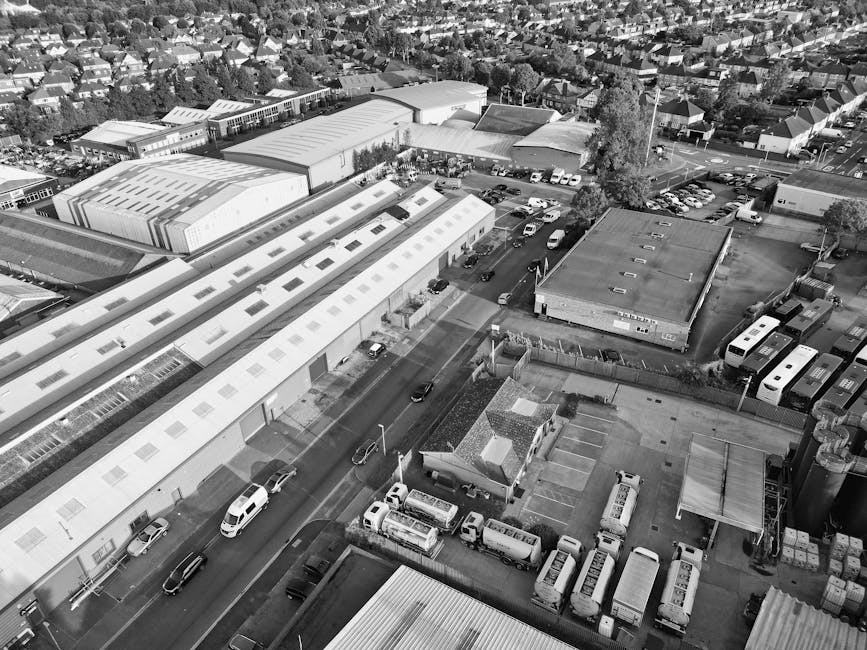
Hayes Industrial Estate has a practical, working-site rhythm. Vehicles come and go, stock arrives, people are on the move, and space matters. In that kind of setting, waste removal needs to be organised around operations, not treated like an afterthought. If you clear waste at the wrong time, you can create a bottleneck. If you leave it too long, it starts to affect the look and feel of the business too.
There is also the simple matter of duty of care. Businesses in the UK are expected to manage waste responsibly, which means choosing the right disposal route, keeping an eye on segregated materials, and avoiding fly-tipping risk. You do not want mixed rubbish dumped in the wrong place just because a shortcut looked easier on the day.
For many sites, the real value of professional clearance is consistency. It is not just about a one-off load. It is about having a process that keeps the unit usable week after week. That matters whether you are a trade counter, small warehouse, office, or light industrial operation. And if the site is near busy roads or shared business units, tidy waste management is even more noticeable.
How Hayes Industrial Estate commercial rubbish removal guide Works
The basic process is usually straightforward, but the details matter. A good rubbish removal job starts with identifying the waste type, the volume, and any access restrictions. From there, the removal team decides what can be taken, how it should be loaded, and what disposal route is appropriate.
In practical terms, commercial rubbish removal often follows a few clear stages:
- Assess the waste - cardboard, office furniture, pallets, packaging, mixed rubbish, or heavier materials all need different handling.
- Check access - think about lifts, stairs, narrow corridors, loading bays, parking, and time restrictions.
- Quote the job - usually based on volume, labour, item type, and whether special disposal is needed.
- Schedule collection - ideally around business hours, staff movements, and deliveries.
- Load and remove - the team clears the waste from inside or outside the premises, depending on access and agreement.
- Sort and dispose - recyclables, reusable items, and general waste are separated where possible.
That sounds simple, and most of the time it is. The tricky bit is preparing the site so the collection runs smoothly. A pile of waste looks smaller until someone has to carry it down two flights of stairs, around parked vans, and through a narrow doorway at 4 pm. Suddenly, the job becomes more involved.
If your clearance is part of a wider office move or refurbishment, the process may overlap with services such as office clearance or builders waste clearance. That is often where businesses make good progress, because the waste plan is tied to the project instead of being handled in bits and pieces.
Key Benefits and Practical Advantages
The biggest benefit is obvious: a cleaner, safer, more workable space. But there is more to it than that. Commercial waste clearance done properly can improve the way a site functions day to day. It can also reduce the friction that staff quietly put up with until they do not have to anymore.
Here are some of the main advantages:
- Better site safety - fewer trip hazards, blocked exits, and awkward obstacles in work areas.
- Faster turnaround - clearance teams can often remove waste in one visit, which helps when time is tight.
- Improved appearance - important for clients, suppliers, and anyone walking into reception or a trading unit.
- Less staff disruption - your team can keep working rather than spending half a day shifting rubbish around.
- Smarter disposal - materials can be sorted for recycling or reuse where appropriate.
- Reduced storage pressure - waste no longer sits in a corner "until later". We all know how that goes.
There is also a quieter benefit: peace of mind. You stop wondering whether the back room is getting out of hand or whether that pile near the fire exit is becoming a problem. That low-level mental clutter is real. Remove the waste, and the site often feels lighter straight away.
If your business generates a lot of cardboard or mixed packaging, pairing regular clearance with a sensible storage and removal routine can make a surprising difference. A lot of companies also compare clearance options with ongoing commercial waste services such as business waste removal so they can decide what suits their workflow best.
Who This Is For and When It Makes Sense
This guide is relevant to a wide range of businesses around Hayes Industrial Estate. It is not just for large firms with complicated operations. In fact, smaller premises sometimes feel the waste pressure more sharply because there is nowhere for it to hide.
You may need commercial rubbish removal if you are:
- moving out of a unit or preparing for a new tenant
- clearing old office furniture, desks, chairs, or filing cabinets
- disposing of packaging, shrink wrap, broken pallets, or stockroom waste
- tidying after refurbishment or light strip-out work
- managing a periodic spring clean of storage areas
- responding to a burst of accumulated waste after a busy trading period
- trying to make better use of a cramped industrial unit
It also makes sense when staff are spending too much time dealing with waste instead of their actual jobs. That is a good sign the system has drifted. If the answer to "where shall we put this?" is becoming "just leave it by the wall," you probably need a reset.
Commercial rubbish removal can be especially useful for:
- warehouses with bulky packaging waste
- offices replacing furniture or IT equipment
- trade units with offcuts and mixed materials
- shops and showrooms refreshing stockrooms
- landlords and managing agents handling end-of-tenancy clearances
For some businesses, the need is urgent. For others, it is more strategic. Either way, the right approach saves time.
Step-by-Step Guidance
If you want a smooth clearance, start with the details. In our experience, the jobs that go best are the ones where someone has spent ten minutes planning the access and sorting the waste categories first. That tiny bit of prep pays off.
1. Identify what needs removing
Walk the site and list the items or waste types. Be specific. "Old stuff in the back room" is not enough for an accurate plan. Note bulky furniture, loose rubbish, cardboard, metals, wood, and anything that may need special handling.
2. Separate what stays, what goes, and what can be reused
This is where a lot of time can be saved. Keep reusable items to one side if they are being relocated or sold. Separate obvious recyclables. If there are documents, IT items, or equipment with data concerns, deal with those before removal. Nobody wants an unnecessary scramble later.
3. Check access and timing
Measure doorways if needed, think about loading access, and choose a time that will not disrupt deliveries or customers. On an industrial estate, mornings can be busy and afternoons can be tighter than expected. Sometimes the best slot is the one that avoids everyone else's schedule.
4. Ask clear questions before booking
Ask what is included, whether labour is included, how mixed waste is handled, and whether extra charges may apply for difficult access or heavier items. Clear questions now are better than awkward surprises later. Much better.
5. Prepare the waste for collection
If possible, place items where they are easy to reach. Flatten cardboard. Stack furniture safely. Bag loose rubbish securely. Keep sharp or hazardous items separate and flagged. A neat staging area helps the crew work faster and reduces the chance of damage to walls, flooring, or doors.
6. Confirm disposal route and paperwork needs
Depending on the type of waste, you may need records showing how it was handled. This is especially sensible for businesses with audit trails, landlords, or compliance-heavy operations. If a provider can explain the route clearly, that is a good sign.
7. Review the cleared space afterward
Once the removal is done, take five minutes to check the area. Look for missed items, residue, or any surface damage. It is the small after-check that often catches problems before they become irritations.
Expert Tips for Better Results
There are a few practical habits that consistently make commercial rubbish removal easier. Nothing flashy. Just sensible site management.
- Bundle similar waste together - cardboard with cardboard, furniture with furniture, and so on.
- Take photos before booking - useful for estimating volume and avoiding misunderstandings.
- Keep a clear path - even a short route can become awkward if bins, trolleys, or pallets are left in the way.
- Schedule before the site gets messy - a slightly early collection is easier than an emergency one.
- Use regular mini-clears - small, routine removals often work better than one enormous all-at-once job.
- Plan for weather - wet cardboard and soggy packaging make everything more annoying, especially on a grey morning.
One underrated tip: designate a waste point in the unit. If every staff member knows where discarded materials go, the site stays tidy far more easily. It sounds basic because it is basic, and basic systems usually work best.
Also, keep an eye on things like broken office chairs, damaged shelving, and redundant monitors. They often drift into the "too awkward to deal with" category. That category is where clutter breeds.
Common Mistakes to Avoid
Most waste jobs do not go wrong dramatically. They go wrong in small, annoying ways. Here are the mistakes people make most often around commercial rubbish removal on industrial sites.
- Underestimating volume - waste always looks smaller when it is scattered around the site.
- Mixing prohibited items - some materials need special treatment and should not be thrown in with general waste.
- Leaving access until the last minute - a blocked route can turn a simple clearance into a slow one.
- Choosing on price alone - the cheapest quote is not always the best value if it misses labour, lifting, or disposal detail.
- Failing to separate recyclables - this can make disposal less efficient and may reduce sustainability outcomes.
- Ignoring aftercare - once the rubbish is gone, you still need a system to stop it returning in the same pile-up pattern.
Another common mistake is forgetting that commercial waste can include awkward, mixed material loads. A pile of office clutter is not the same as a skip full of construction debris. If you are clearing after repairs or fit-out work, specialist support such as builders waste clearance may be more suitable than a general tidy-up approach.
And yes, people often leave it too long. That one is almost universal.
Tools, Resources and Recommendations
You do not need a warehouse full of equipment to manage waste well, but a few basic tools and systems help enormously. Think practicality, not perfection.
Useful items and resources include:
- Heavy-duty sacks for loose general waste
- Trolleys or dollies for moving bulky items safely
- Labels or coloured tape for separating waste streams
- A simple site waste log to note what has been removed and when
- Basic PPE such as gloves and sturdy footwear for staff handling materials before collection
- Camera photos to document the site before and after clearance
For businesses that want a more joined-up approach, it helps to compare one-off clearance with ongoing support, or to review how furniture and bulky items are being handled. Pages like furniture clearance and furniture disposal are useful when the load is dominated by desks, chairs, or old fittings rather than mixed rubbish.
If your waste includes damaged furniture, shelving, or redundant office pieces, it is often better to plan the removal in one organised sweep instead of tackling item by item. Fewer movements, fewer delays.
Law, Compliance, Standards, or Best Practice
Commercial waste carries responsibilities. The exact obligations depend on the type of waste and the business involved, so careful handling matters. In the UK, businesses generally have a duty to manage waste responsibly, avoid fly-tipping, and make sure waste is transferred to an authorised carrier or disposal route. That part is not glamorous, but it is essential.
Best practice usually includes:
- keeping waste stored safely and securely before collection
- separating recyclable and non-recyclable materials where practical
- keeping records of waste transfers when needed
- avoiding mixing in items that require special handling
- making sure the premises remain safe for staff, visitors, and contractors
If you are dealing with materials that may be regulated or sensitive, such as electrical items, confidential paperwork, or potentially hazardous waste, ask for clear guidance before the clearance starts. Better to ask the slightly boring question than clean up the boring mistake later.
Business owners should also think about health and safety. A cluttered route can create trip hazards, block exits, or make lifting more awkward. For that reason, a provider's approach to safe handling and site awareness matters as much as the removal itself. Useful background can also be found in a company's own published policies, such as health and safety policy and insurance and safety information.
Finally, sustainability is becoming part of normal business expectations. Where possible, recycling and reuse should be considered before disposal. That does not mean every item can be saved, of course. It just means the disposal plan should be sensible and not wasteful.
Options, Methods, or Comparison Table
Choosing the right method depends on what you are clearing, how quickly it needs to go, and how much site disruption you can tolerate. Here is a simple comparison to help you think it through.
| Option | Best for | Pros | Possible drawbacks |
|---|---|---|---|
| One-off commercial clearance | Bulk waste, office moves, unit clear-outs | Quick, simple, usually handled in one visit | May be less cost-efficient for ongoing waste |
| Regular business waste removal | Sites with ongoing waste generation | Predictable, easier to manage long-term | Requires routine planning and coordination |
| Self-managed disposal | Very small volumes and simple waste types | Flexible if you have the time and transport | Time-consuming, physically harder, more risk of mistakes |
| Project-based clearance | Fit-outs, refurbishments, strip-outs | Good for mixed loads and staged removals | Needs coordination with other contractors |
For many Hayes businesses, the best choice is a hybrid approach: regular removal for day-to-day waste and a separate clearance for bulky or leftover items. That keeps operations tidy without turning every week into a mini project. If you need broader support, it can also help to review general services like waste removal so the plan fits more than one type of waste stream.
Case Study or Real-World Example
Imagine a small commercial unit on Hayes Industrial Estate that has been using one back room for storage "temporarily" for months. There are old chairs, a dead printer, flattened boxes, wrapping material, and a few bits of surplus stock. Nothing outrageous. Just enough to make the room awkward every time someone needs to reach the fuse board or find spare packaging.
The manager decides to book a commercial rubbish removal service after realising staff are spending time stepping around the pile. The team first sorts the items into three rough groups: keep, recycle, remove. Cardboard is flattened, broken furniture is separated, and the route from the storage room to the loading point is cleared in advance.
On collection day, the removal is completed without interrupting trading. The room is left usable again, and the manager finally has space for a proper shelving system. Nothing dramatic happened. That is the point. The win was not an emergency fix; it was simply restoring order before the clutter got expensive in time and attention.
Another common version of this happens after office changes. A business upgrades desks and chairs, and the old furniture starts stacking up in the corner. In that case, a furniture-led clearance is often the simplest route, especially if the items are being removed alongside general office waste and packaging.
Practical Checklist
Use this before booking your clearance. It keeps the process honest and much less fiddly.
- Identify all waste types - general rubbish, cardboard, furniture, mixed materials, or special items
- Estimate volume - take photos or walk the site with a colleague
- Check access points - doors, lifts, stairs, parking, loading bays
- Choose a suitable time - avoid peak deliveries or client visits where possible
- Separate reusable items - keep what will stay on site
- Keep hazardous or sensitive items apart - ask for advice if unsure
- Confirm what is included - labour, loading, disposal, and any extra handling
- Clear a path for removal - make the route as easy as possible
- Ask about recycling or reuse - especially for furniture and packaging
- Review the site after collection - check for missed items or damage
If you want a more sustainable approach, it can also help to look at how your wider waste stream is being handled. A simple change in sorting habits can reduce the amount of mixed waste you generate in the first place, which is usually where the savings begin.
Conclusion
A good Hayes Industrial Estate commercial rubbish removal guide should do more than explain what gets taken away. It should help you think clearly about access, timing, waste type, compliance, and the practical realities of a busy commercial site. That is the real difference between a tidy-up and a proper system.
Keep the process simple. Plan ahead. Separate waste where you can. Ask direct questions before booking. And do not wait until the piles become part of the scenery, because they have a habit of settling in.
If your business wants a cleaner, safer, less cluttered working space, the next step is straightforward: assess the waste, choose the right removal method, and set a routine that actually fits the way your site works. Small improvements add up. They really do.
Get a free quote today and see how much you can save.
Frequently Asked Questions
What does commercial rubbish removal cover on Hayes Industrial Estate?
It usually covers the collection and disposal of business waste such as office furniture, cardboard, mixed rubbish, packaging, and bulky items from commercial premises. The exact scope depends on the job and the waste type.
How is commercial rubbish removal different from regular bin collections?
Bin collections are usually routine and limited to standard waste streams. Commercial rubbish removal is better for larger, heavier, awkward, or one-off loads that need manual loading and a more flexible collection approach.
Do I need to sort waste before it is collected?
You do not always have to sort everything perfectly, but separating obvious materials like cardboard, furniture, and general waste usually helps. It can also make the job quicker and reduce confusion on site.
Can office furniture be removed during a clearance?
Yes, office furniture is commonly removed as part of commercial clearance. Desks, chairs, cabinets, and shelving are all typical examples, provided access and disposal arrangements are suitable.
What should I do with broken equipment or old IT items?
Keep them separate and mention them when arranging the job. Some items may need special handling, especially if they contain data, batteries, or electrical components.
How far in advance should I book a clearance?
As soon as you know the waste is building up, ideally. For planned clear-outs, a little notice helps with scheduling. For urgent jobs, same-day or next-day options may sometimes be possible depending on availability.
Is commercial rubbish removal suitable for small businesses?
Absolutely. Smaller businesses often benefit a lot because they have less storage space and less tolerance for clutter. Even a modest load can make a big difference in a compact unit.
Will the waste be recycled where possible?
That depends on the materials involved and how they are sorted. Many responsible providers aim to separate recyclable materials where practical, especially cardboard, metals, and some furniture components.
What happens if access is difficult on the day?
The job may take longer, or in some cases need to be rescheduled if the route is not safe or workable. That is why access details are worth checking before booking. A quick photo can save a lot of back-and-forth.
How do I avoid hidden charges?
Be clear about waste type, volume, access, and whether any items are unusually heavy or awkward. Transparent quotes tend to come from transparent information. It sounds obvious, but people forget this more than you would think.
Can I combine a rubbish clearance with furniture disposal?
Yes, and that is often the most efficient approach. If the site has mixed waste plus old furniture, grouping them into one organised collection can save time and reduce disruption.
What is the best first step if my unit is overloaded with rubbish?
Start by walking the space and dividing items into keep, remove, and review. Then estimate the volume and decide whether you need a one-off clearance or a broader waste management plan. Once that is clear, the rest becomes a lot easier.