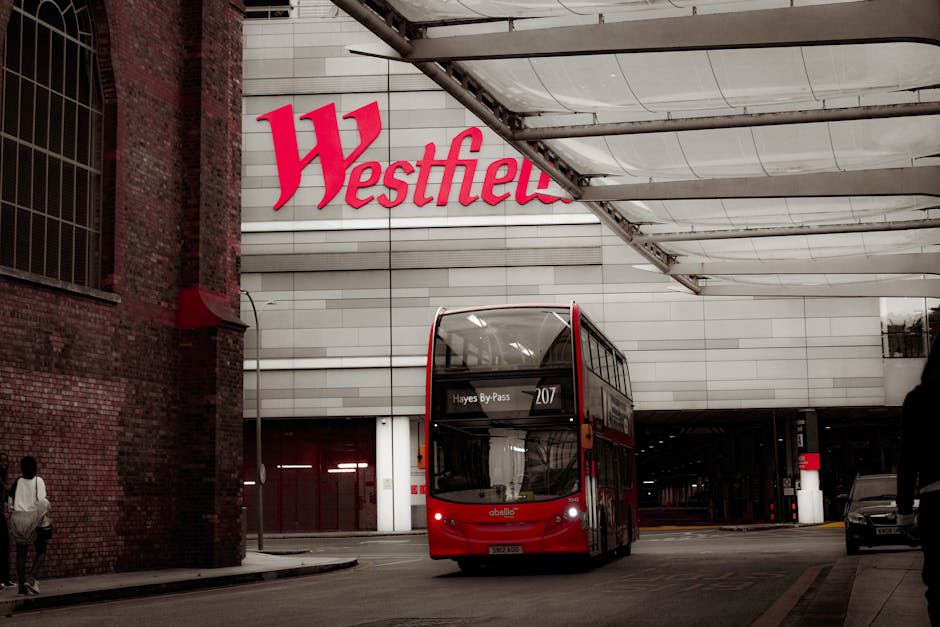
Hayes Town Centre rubbish guide for UB3 flat owners
If you live in a flat in UB3 and you're trying to get rid of bulky rubbish, old furniture, bagged waste, or post-move clutter, the process can feel more complicated than it should. There are stairs, shared entrances, parking restrictions, neighbours, and sometimes an awkward "where do we put this?" moment in the hallway. This guide explains the practical side of Hayes Town Centre rubbish disposal for flat owners in a clear, local, and realistic way.
Whether you're clearing a one-bed apartment near the town centre, handling a landlord handover, or simply trying to avoid a pile-up in a compact storage cupboard, the right approach saves time, reduces stress, and helps you avoid mistakes that can cost more later. You'll also find useful service links, compliance notes, a comparison of disposal options, and a simple checklist you can use straight away.
For larger or awkward items, you may also want to look at flat clearance services, furniture disposal support, or broader waste removal options if the job has grown beyond a few bin bags.
Quick takeaway: Flat rubbish jobs in Hayes Town Centre are usually easiest when you sort items early, keep access routes clear, and choose a removal method that matches the amount, weight, and urgency of the waste.
Table of Contents
- Why Hayes Town Centre rubbish guide for UB3 flat owners Matters
- How Hayes Town Centre rubbish guide for UB3 flat owners Works
- Key Benefits and Practical Advantages
- Who This Is For and When It Makes Sense
- Step-by-Step Guidance
- Expert Tips for Better Results
- Common Mistakes to Avoid
- Tools, Resources and Recommendations
- Law, Compliance, Standards, or Best Practice
- Options, Methods, or Comparison Table
- Case Study or Real-World Example
- Practical Checklist
- Conclusion
- Frequently Asked Questions
Why Hayes Town Centre rubbish guide for UB3 flat owners Matters
Flat living changes the way rubbish works. In a house, you can often leave items by the front drive, open a side gate, or stage everything in a garage. In a flat, you usually have less space, less privacy, and more shared access points to think about. That makes even a small clearance feel fiddly.
Hayes Town Centre adds another layer. Busy streets, shared blocks, timed access windows, and limited parking can all influence how rubbish is collected or removed. If you wait until the last minute, you can end up with bags in the hallway or a sofa that blocks the lift. Neither is ideal. And let's face it, nobody wants to be "that resident" holding the landing hostage with a broken wardrobe.
This matters especially for:
- tenants preparing for check-out or a mid-tenancy refresh
- landlords turning over a flat between lets
- homeowners downsizing or redecorating
- property managers dealing with bulky left-behind items
- residents who need a reliable, quick solution without disruption
The best rubbish plan for a flat owner is not just about throwing things away. It's about protecting access, keeping neighbours happy, and choosing the right disposal route for the item type. In many cases, a focused service such as flat clearance or furniture clearance is far more efficient than trying to move everything yourself in one stressful afternoon.
How Hayes Town Centre rubbish guide for UB3 flat owners Works
The practical process is straightforward once you break it into stages. First, identify what you actually need to remove. Second, separate reusable items, recyclables, and true rubbish. Third, work out whether the waste can go in domestic bins, a council collection route, a man-and-van type removal, or a specialist clearance.
For flat owners in UB3, the main decision usually comes down to size, access, and urgency. A few bin bags and packaging may be manageable with routine collection. A mattress, wardrobe, broken desk, or mixed load from a move-out usually needs a more organised approach.
Here is the basic flow most people follow:
- Sort the items into keep, donate, recycle, and dispose.
- Check access for lifts, stairs, parking, and loading space.
- Measure large items so you know whether they will fit through doors or lifts safely.
- Decide on the disposal route based on item type and volume.
- Book the service or arrange transport once everything is ready.
- Clear the route before collection day so the job can be done quickly.
If you need a broader solution that covers multiple item types, consider home clearance for general domestic clutter or house clearance where a flat forms part of a larger estate or family property project.
For some residents, the issue is not quantity but awkwardness. A dismantled bed frame, a heavy fridge, or a pile of mixed renovation debris can be harder to shift than several sacks of lighter waste. That is where a professional removal approach becomes more than a convenience; it becomes a practical safeguard against damage and delays.
Key Benefits and Practical Advantages
Using the right rubbish removal method in Hayes Town Centre offers more than just a tidy room. It can improve the flow of the whole flat, reduce fire risks from blocked exits, and stop waste from becoming a recurring problem in a small living space.
Some of the most useful benefits are easy to overlook until you've had a bad experience:
- Less disruption: one well-planned removal beats several frustrating trips to the bin store.
- Better use of space: a cleared hallway or spare corner makes a flat feel bigger immediately.
- Lower handling risk: heavy lifting through tight stairwells is where many avoidable knocks happen.
- Cleaner handovers: useful for landlords, agents, and tenants on a deadline.
- Improved recycling outcomes: separating items properly means fewer reusable goods are treated as general waste.
There is also a time-saving benefit that flat owners appreciate. If you've only got a free hour after work or one day off at the weekend, a structured clearance can turn a messy job into a manageable one. That is especially true if you're coordinating with a service that already understands access issues, such as furniture disposal or general waste removal.
Practical advantage in plain English: the fewer times you have to move the same item, the easier, safer, and cheaper the whole job tends to be.
Who This Is For and When It Makes Sense
This guide is for UB3 flat owners who need a sensible plan for rubbish, bulky items, or mixed household waste in or around Hayes Town Centre. It is especially relevant if you live in a building with shared access, limited storage, or restricted parking.
It makes sense to use a more formal rubbish removal approach when:
- you are moving out and need the flat cleared quickly
- you have old furniture that will not fit in the lift or bin area
- you are replacing multiple items at once, such as a sofa, table, and mattress
- you want to avoid overfilling communal bins
- you have mixed waste from decorating, repairs, or light refurbishment
- you prefer a single collection rather than repeated trips to a local reuse point
It also suits people who simply do not want the logistics headache. If you are juggling work, family, and a small flat, waste removal becomes one of those tasks that quietly grows teeth. A professional option can remove that pressure.
For larger-scale clear-outs, you might find related services useful too. For example, garage clearance is handy if a storage area is overflowing, while loft clearance can help when long-stored items from a flat need to be sorted and removed efficiently.
Step-by-Step Guidance
The best results come from a calm, ordered approach. You do not need to overcomplicate it, but you do need to be systematic.
1) Walk through the flat and identify everything to go
Start in each room and make one pile per category: keep, donate, recycle, and remove. This prevents the familiar "I'll decide later" pile from quietly taking over the room.
2) Separate bulky items from loose waste
Bulky items often require a different plan from bagged rubbish. A broken chair, wardrobe doors, or a damaged bed frame should be treated as a collection problem, not just a standard bin issue.
3) Check building access and timing
Measure doorways, lifts, and stair turns if you have large items. Also check whether building management has rules for collection times, loading bays, or vehicle access. A five-minute check here can save a lot of stress later.
4) Decide what can be reused or recycled
Good-quality items may be suitable for reuse. Flattened cardboard, metal frames, and some wood items may be recyclable, depending on condition and local facilities. Avoid assuming everything goes in one pile.
5) Choose the removal method
If it is a small load and the items are easy to carry, you might manage with a short trip or standard disposal route. If not, look at a specialist service such as furniture clearance, flat clearance, or wider builders waste clearance if the job includes debris from refurbishment.
6) Prepare the route
Move shoes, coats, bins, and loose items out of the path. If there is a lift, make sure it is available and practical to use. The cleaner the route, the faster the collection.
7) Confirm final expectations
Before the collection day, confirm what is being removed, any access notes, and the likely time window. That last check is boring but valuable. Boring is good when you are trying to avoid a wasted trip.
Expert Tips for Better Results
A few small decisions can make a big difference to a flat rubbish job. These are the things that tend to separate a smooth clearance from a frustrating one.
- Use tape or labels on items to keep, recycle, or remove so nobody guesses wrong on the day.
- Disassemble when sensible but only if doing so actually makes moving safer and easier.
- Protect common areas with care. Use blankets or card if your route is tight and the building allows it.
- Work with the load, not against it. If an item is awkward and heavy, don't force a route that damages walls or trim.
- Keep soft furnishings grouped together so they can be handled as a coherent load rather than scattered pieces.
- Think ahead about reuse. A usable desk or chair may be better suited to a separate furniture collection than mixed rubbish.
Another useful point: if your flat contains a mix of general household waste and business-related items, keep the categories separate. That matters for both handling and pricing. If you need a commercial route, business waste removal is a better fit than a domestic-only approach.
Small expert habit: take a quick photo of the pile before collection. It helps you confirm what is included, especially if the job is split over more than one room or day.
Common Mistakes to Avoid
Most problems in flat rubbish removal are predictable. That is good news, because predictable problems are usually avoidable.
- Leaving everything until the last day. This creates pressure and increases the chance of missed items.
- Blocking communal spaces. Hallways, stairwells, and fire exits should never become temporary storage.
- Assuming large items will fit. Sofas, bed bases, and wardrobes often need to be measured or dismantled.
- Mixing recyclable and general waste. This can reduce reuse opportunities and make the job less efficient.
- Ignoring building rules. A collection service still has to work within property access conditions.
- Choosing the cheapest option without checking what is included. A low headline price can become poor value if access, loading, or item handling is not clear.
A common example: a resident orders a collection for a sofa, then realises the lift is too small and the stairwell has a tight bend. Now the job takes longer, the building is disrupted, and everyone is annoyed. A simple measurement check would have saved the day.
If you are unsure about the type of service needed, it often helps to compare house clearance and flat-specific options. The difference is not just size; it is also access, layout, and the way the waste is staged.
Tools, Resources and Recommendations
You do not need a van full of equipment to manage rubbish in a flat, but a few basic tools make the process smoother and safer.
- Measuring tape: useful for doors, lifts, furniture, and awkward corners.
- Heavy-duty bags or boxes: best for loose waste, books, and mixed small items.
- Labels or marker pens: helpful when you are sorting items over several days.
- Gloves: a sensible choice for dusty loft finds, old storage items, or rough-edged debris.
- Protective blankets: useful for moving furniture through tight shared spaces if permitted.
In terms of services, the most relevant pages to explore next are the ones that match the kind of waste you have. For example, home clearance suits general domestic decluttering, while recycling and sustainability is useful if you want to better understand how reusable items and recyclable materials are handled.
For service assurance and confidence, it is also sensible to review practical trust pages such as health and safety, insurance and safety, and pricing and quotes before booking. Those pages help you understand what to expect, especially if your flat has access constraints or fragile communal areas.
Law, Compliance, Standards, or Best Practice
Rubbish disposal is not just a practical issue; it also touches shared responsibilities, safety, and proper waste handling. You do not need to memorise legislation to make a good decision, but you should follow common UK best practice.
For flat owners, the main principles are simple:
- Do not leave waste where it obstructs escape routes or communal access.
- Use authorised disposal routes for items that cannot go in normal bins.
- Check building management guidance before staging items in shared areas.
- Be cautious with electricals, sharp items, and heavy materials so no one gets hurt during handling.
- Keep records if needed for landlord handovers, move-outs, or managed properties.
Where specialist waste is involved, extra care is sensible. Some items need particular handling because of contamination, sharp edges, weight, or condition. Builders' debris, for example, should be kept separate from ordinary household rubbish and assessed properly before collection. That is one reason a dedicated builders waste clearance service can be the right fit after a light renovation.
Best practice also means asking the right questions before booking. Is the service insured? How is access handled? What happens if the waste includes mixed materials? Those questions are not fussy; they are what careful flat owners ask.
Options, Methods, or Comparison Table
There is no single best method for every flat. The right choice depends on how much rubbish you have, what it is, and how quickly it needs to go.
| Option | Best for | Strengths | Limitations |
|---|---|---|---|
| Routine bin disposal | Small household waste | Simple, low effort, no extra booking | Not suitable for bulky items or large volumes |
| Self-transport to disposal point | People with access to a vehicle and time | Flexible if you only have a small load | Time-consuming, lifting risk, parking and loading hassle |
| Flat clearance service | Mixed loads, move-outs, or cluttered apartments | Efficient, suited to shared access and bulky items | Needs a booking and clear access information |
| Furniture-specific removal | Sofas, beds, wardrobes, and similar items | Good for heavy or awkward items | May not cover all mixed household waste |
| General waste removal | Mixed rubbish and recurring clear-outs | Flexible and convenient for larger loads | Needs correct item description in advance |
If your flat rubbish includes a mixture of furniture and general waste, a combined service is often the most practical route. In those cases, a planned approach is usually better than trying to juggle several smaller disposal methods.
Case Study or Real-World Example
Consider a typical UB3 flat owner preparing to leave a two-bedroom apartment near Hayes Town Centre. The property has a mattress, a damaged wardrobe, several bin bags, old kitchen bits, and a small desk that has seen better days. None of the items is unusual on its own, but together they create a timing problem.
At first glance, the owner thinks the waste can be split into a few casual trips. After measuring the hallway and lift, though, it becomes clear that the wardrobe and desk will be awkward to move safely without help. Rather than dragging the job out over a weekend, the owner sorts the items by type, keeps the route clear, and arranges a more suitable clearance approach.
The result is not dramatic, but it is very real: less time spent lifting, no blocked corridor, and a flat that can be handed back in a cleaner state. That is the sort of outcome most people actually want. Not a grand transformation. Just a calm, tidy finish.
If the job had included more furniture, a service like office clearance would not be relevant here, but a domestic equivalent such as flat clearance would fit the situation neatly. Matching the service to the real load makes all the difference.
Practical Checklist
Use this checklist before collection day:
- Walk through every room and identify all rubbish and bulky items.
- Separate keep, donate, recycle, and remove piles.
- Measure large items and check access routes.
- Confirm whether the lift, stairs, or parking create any restrictions.
- Move small loose items out of hallways and entrances.
- Check with building management if any rules apply to collections.
- Group similar items together for easier handling.
- Make sure fragile communal areas are protected where needed.
- Keep a list or photo record of what is being removed.
- Review pricing, safety, and sustainability information before booking.
Small but useful rule: if you would not want to carry it down the stairs twice, it probably belongs in a proper clearance plan the first time.
Get a free quote today and see how much you can save.
Conclusion
For UB3 flat owners, rubbish removal in Hayes Town Centre works best when it is planned around real-world access, item type, and building rules. The less space you have, the more valuable a tidy process becomes. That is why a structured approach beats improvisation almost every time.
Whether you are dealing with a few bulky items or a full flat refresh, the smart move is to sort early, measure carefully, and choose the disposal route that fits the load. A small bit of organisation now saves a lot of frustration later.
If your next step is to clear a flat, move furniture, or arrange a larger waste pickup, start with the service that matches the job rather than forcing everything into one generic solution. It keeps the process cleaner, safer, and far less annoying.
Frequently Asked Questions
What is the easiest way to get rid of rubbish from a flat in Hayes Town Centre?
The easiest method depends on the amount and type of waste. Small household rubbish may fit routine collection, while bulky or mixed items are usually easier through a flat clearance or waste removal service.
Can I leave bulky rubbish in a communal hallway overnight?
That is generally a bad idea. Communal areas should stay clear for safety and access, and building rules may prohibit it. It is better to keep items inside your flat until collection.
Do I need a specialist service for a sofa or mattress?
Often, yes. Large furniture is awkward to move through shared spaces and may not suit normal bin disposal. A furniture clearance or furniture disposal service is usually the sensible option.
How do I know whether I need flat clearance or general waste removal?
If the job is mainly household items from one flat, flat clearance is a strong fit. If the load is mixed and larger, general waste removal may be more flexible.
What should I do with items that are still usable?
Separate them before booking disposal. Reusable furniture or household goods may be better suited to donation, resale, or a service that prioritises proper sorting.
Is it worth measuring furniture before booking a collection?
Yes. Measurements help prevent surprises with lifts, stair turns, and door widths. A few minutes with a tape measure can save a lot of lifting trouble.
Can rubbish removal handle mixed items from a small refurbishment?
Usually, yes, but it should be described clearly in advance. If the load includes plaster, broken fittings, or renovation debris, a builders waste clearance service may be more appropriate.
How can I reduce the cost of a flat rubbish collection?
Sort items beforehand, remove anything you want to keep, and separate recyclables from general waste where possible. Clear access also helps the job run faster and more efficiently.
What should landlords in UB3 do after a tenant move-out?
Landlords should check the flat thoroughly, separate abandoned items from anything reusable, and arrange the right clearance method before the next tenancy. A tidy handover protects the property and avoids delays.
Are there safety issues with moving rubbish through shared flats?
Yes. Heavy lifting, narrow staircases, and blocked walkways can create risk. It is best to use suitable equipment, work carefully, and avoid moving oversized items without a proper plan.
Where can I get more information about pricing and service standards?
Review the provider's pricing, safety, and policy pages before booking. Useful starting points include pricing and quotes, health and safety, and insurance and safety.
What if I need help with a larger domestic clear-out later?
If your project grows beyond a few items, it may be worth looking at related services such as home clearance or house clearance so the removal is matched to the scale of the job.