Hillingdon Council rules on household waste in Hayes: a practical guide for residents and landlords
If you live in Hayes, household waste can feel straightforward until it suddenly isn't. One missed collection, an overfilled bin, or a bag left beside the wrong container can quickly turn into a nuisance. This guide explains Hillingdon Council rules on household waste in Hayes in plain English, so you can sort what goes where, avoid common mistakes, and keep your home or rental property running smoothly. We'll also look at when a bigger clearance makes more sense than trying to wrestle everything into the weekly bin. Truth be told, that happens more often than people expect.
Table of Contents
- Why Hillingdon Council rules on household waste in Hayes matters
- How Hillingdon Council rules on household waste in Hayes works
- Key benefits and practical advantages
- Who this is for and when it makes sense
- Step-by-step guidance
- Expert tips for better results
- Common mistakes to avoid
- Tools, resources and recommendations
- Law, compliance, standards, or best practice
- Options, methods, or comparison table
- Case study or real-world example
- Practical checklist
- Conclusion
- Frequently Asked Questions
Why Hillingdon Council rules on household waste in Hayes Matters
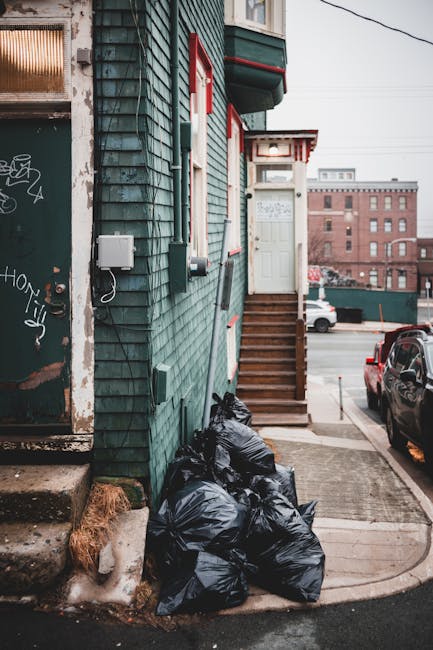
Household waste rules are not just about keeping the street tidy, although that matters too. They shape how reliably collections happen, how clean shared spaces stay, and whether waste is handled safely. In Hayes, where you may see a mix of terraced homes, flats, HMOs, and family houses, waste management can get complicated quickly. One property may have a tidy weekly routine, while the next has overflowing bags, extra cardboard, and old furniture sitting in a front garden. You've probably seen it.
Following local rules helps in three practical ways. First, it reduces the chance of missed collections or rejected bins. Second, it lowers the risk of complaints from neighbours, landlords, or managing agents. Third, it makes recycling easier, which is often where people slip up without meaning to. A black bag stuffed with recyclables is a small thing in the moment, but over time it creates more waste, more mess, and more stress.
There is also a safety angle. Loose waste attracts vermin, can block pavements, and becomes a trip hazard in narrow side access areas common around Hayes. If you're managing a property, especially a flat or shared house, that risk can escalate fast. That is why it pays to understand the rules before the bins are full and the smell is, well, starting to speak for itself.
How Hillingdon Council rules on household waste in Hayes Works
While exact collection arrangements can vary by property type and road, the basic idea is simple: household waste should be separated, stored correctly, and presented for collection in the expected way. Most residents are dealing with a mix of residual waste, recycling, and sometimes food waste or garden waste depending on local arrangements. The key is to know what your household is expected to use and how much can be placed out at once.
In practice, this usually means three questions:
- What waste is accepted in each container?
- When should bins or sacks be presented?
- What happens if you have too much for the normal collection?
That last one is where people often need a different solution. A house clearance after a move, a loft clear-out after years of storage, or a garage full of broken chairs will not fit neatly into the weekly routine. In those situations, a dedicated clearance or waste removal service can be a more sensible option than trying to stretch household collections beyond their intended use.
Another thing worth remembering: bin crews are working to a schedule. If bags are left out early, are overfilled, or contain the wrong materials, they may not be taken. That can lead to a pile-up very quickly, especially if several neighbours are doing the same thing. A little discipline here really does go a long way.
What usually causes problems
- Putting the wrong items in the wrong bin
- Overfilling containers so lids cannot close
- Leaving waste out too early
- Mixing household rubbish with bulky items
- Assuming a one-off tidy-up can be handled like normal weekly waste
To be fair, most of these mistakes come from busy lives, not carelessness. Still, the rules tend to be unforgiving.
Key Benefits and Practical Advantages
Following the rules is not just about compliance. It makes everyday life easier. The benefit is less visible when everything is going well, but you feel it the moment collections are smooth and the back yard stays clear.
- Cleaner surroundings: Fewer stray bags and less clutter outside the property.
- Fewer disputes: Especially useful in shared houses, managed blocks, and rented homes.
- Better recycling habits: Simple sorting usually improves over time once the routine is in place.
- Lower pest risk: Food waste and unsecured rubbish are a magnet for problems.
- Less last-minute panic: You avoid the "where do we put this now?" moment.
There's also a practical money angle. When waste is managed properly from the start, you are less likely to need emergency clear-ups, ad hoc skip hire, or repeated tidy-ups after collections are refused. That can save time and cost, even if the savings are not dramatic on day one.
For many households in Hayes, the real advantage is simply peace of mind. No one wants to come home on a rainy Thursday evening and find bags split open on the pavement. It's not glamorous, but it matters.
Who This Is For and When It Makes Sense
This guide is useful for a wide mix of people, because waste rules touch almost every property type. If you live in a maisonette, a flat, a terraced house, or a shared rental, the same basic principles apply but the practical problems can look very different.
- Homeowners: Helpful when keeping on top of weekly rubbish and occasional clear-outs.
- Landlords: Useful for setting expectations with tenants and avoiding end-of-tenancy mess.
- Letting agents and property managers: Especially relevant for block-wide waste issues.
- Tenants in shared homes: Important for avoiding bin disputes and overflowing containers.
- Older residents or busy families: Helpful when routine waste starts to pile up.
- People planning a move or spring clean: Essential when normal collection bins are no longer enough.
There's a clear point where normal household waste handling stops being the right tool. If you are clearing a loft, emptying a garage, or dealing with bulky furniture after a bereavement or relocation, it may be better to use a structured clearance service such as house clearance, home clearance, or a more specific option like furniture disposal.
That is not overkill. It is just realistic.
Step-by-Step Guidance
If you want to stay on the right side of local household waste expectations in Hayes, the best approach is to build a routine rather than improvise every collection day. Here is a practical method that works well in real homes.
- Check which containers your property uses. Make a note of the bin types, sack requirements, and any special arrangements for flats or shared homes.
- Separate waste as you create it. Keep recycling, general waste, and food waste apart from the start. It takes less time than sorting everything later.
- Flatten cardboard and bulky packaging. This saves space and stops recycling bins from filling too quickly.
- Store waste securely between collections. Close lids properly and keep bags away from doors, gates, and pavement edges.
- Only put containers out at the right time. Early placement is one of the easiest ways to create street clutter.
- Move bulky, awkward, or excess waste into a separate plan. Do not keep forcing it into household bins.
- Book the right clearance solution when needed. A garage clear-out, loft clear-out, or flat clearance is usually best handled as a one-off job rather than piecemeal dumping.
If you are dealing with a room full of items that have built up over years, the best first move is usually to walk through the space slowly and decide what is actually being kept. It sounds obvious, but many people skip this part and end up moving the same pile from corner to corner. Been there, frankly.
A good working rhythm is: sort, bag, label, and remove. Short sentences. Clear decisions. No mystery piles.
Expert Tips for Better Results
Over time, the households that keep waste under control tend to do a few small things consistently. Nothing fancy. Just smart habits.
Use one staging area for all waste
Choose one corner of the property for waste waiting to go out. If bags are scattered across the kitchen, hallway, or garden, they become invisible until the morning of collection. A single staging point makes the whole process less chaotic.
Think in categories, not just bags
Rather than asking "where can I put this?", ask "what kind of waste is this?" That tiny shift helps you spot reusable items, recyclable materials, and items that need a separate clearance. Old chairs, damaged wardrobes, broken appliances, and general rubbish are not all the same thing.
Plan ahead after any life event
Moving, renovating, downsizing, or managing a family estate can create a sudden wave of household waste. If you wait until the end of the week, the pile can get ugly quickly. A short planning session at the start usually saves a lot of stress later.
Use clearance support for bulky items
A sofa in a hallway is not just inconvenient; it blocks movement, creates friction in the home, and can make a property look neglected. For bulky loads, a service such as furniture clearance is often much easier than trying to coordinate disposal through normal bin routes.
One small but useful tip: keep a marker pen and tape in the kitchen drawer. Label bags for recycling, donations, and general waste if multiple people use the same bins. It feels a bit organised-to-the-point-of-fussy, but it works.
Common Mistakes to Avoid
Most waste issues in Hayes do not come from huge failures. They come from little habits that build up. The good news is that they are easy to fix once you spot them.
- Mixing materials: Putting bulky cardboard, garden waste, and general rubbish into one container creates avoidable problems.
- Overloading bins: If the lid will not close, collections can be refused.
- Leaving waste outside too long: This can attract animals and create a neighbour complaint very quickly.
- Using the street as a storage area: Even temporarily, this can make the property look untidy and invite more dumping.
- Ignoring extra waste after a clear-out: This is where homeowners often get stuck.
- Assuming all rubbish is council waste: Some items need specialist handling, or at least a different disposal route.
Another common one is waiting until a loft or garage is completely packed before doing anything about it. By then, the job feels bigger than it really is. Break it up. A couple of hours one evening can make a surprising dent.
If you are clearing a larger area, options like loft clearance or garage clearance are often easier to manage than trying to force everything into regular household waste streams.
Tools, Resources and Recommendations
You do not need a complicated system to manage household waste well. A few simple tools and habits make the biggest difference.
- Reusable sacks or bags: Useful for separating general waste from items to recycle or donate.
- Storage boxes: Good for keeping small clutter out of the bin stream until you can decide what to do with it.
- Labels or sticky notes: Handy in shared homes.
- Basic gloves: Very useful when sorting old loft items, garage clutter, or garden debris.
- On-site skip alternatives: Not always necessary, but sometimes a waste removal team is simpler.
For bigger domestic jobs, a service like garden clearance can be useful when branches, soil bags, and outdoor clutter start to spill over into normal household waste. Likewise, if the property is being prepared for sale or re-let, flat clearance or home clearance can help reset the space in one go.
If you want to know more about how a local service approaches sorting, transport, and disposal, the recycling and sustainability page is a sensible place to understand the broader approach. That kind of transparency matters. People want to know their waste is handled properly, not just whisked away into thin air.
Law, Compliance, Standards, or Best Practice
When household waste is involved, the safest approach is to follow the council's local collection guidance and general UK waste-handling best practice. The exact rules for collection days, bin types, and accepted materials can change, so residents should check the latest local guidance rather than relying on memory from last year. That sounds boring, but it avoids unnecessary fines, collection failures, and messy disputes.
There are a few practical principles worth keeping in mind:
- Use waste containers as intended. Household bins are not a catch-all for bulky or hazardous items.
- Do not obstruct pavements or access routes. Bags left in the wrong place can become a nuisance or safety issue.
- Keep waste stored hygienically. This matters especially in warm weather or shared buildings.
- Separate recyclable materials where required. Mixed waste is one of the most common avoidable problems.
- Use a licensed and insured provider for larger removals. This is especially important for furniture, appliances, or mixed domestic waste.
If you are arranging a bigger clearance rather than a standard bin collection, a provider's operational standards matter too. For example, pages covering health and safety policy, insurance and safety, and terms and conditions help set expectations about how jobs are managed. That is not just paperwork. It is part of choosing a service you can trust.
If you are a business owner with domestic-style waste from an office kitchen, staff room, or mixed-use property, it may be worth looking at business waste removal as well. The rules and handling expectations can be different, and mixing the two streams is not worth the headache.
Options, Methods, or Comparison Table
For Hayes residents, there are usually three realistic ways to deal with household waste beyond the basics. The right one depends on how much you have, what it is, and how quickly it needs clearing.
| Method | Best for | Advantages | Limitations |
|---|---|---|---|
| Regular council collection | Everyday household waste and recycling | Simple, routine, low effort | Limited capacity, strict presentation rules |
| DIY sorting and trips | Small amounts of extra waste | Flexible if you already have transport | Time-consuming, physically awkward, not ideal for bulky items |
| Professional clearance | Bulky, mixed, or high-volume domestic waste | Fast, convenient, suited to larger jobs | Requires planning and usually comes at a cost |
For many people, the best choice is not either/or. It is both/and. Normal collections handle the weekly routine, while a clearance service handles the occasional surge after a move, renovation, bereavement, or overdue declutter. That combination keeps the property livable without turning every weekend into a skip-loading exercise.
If you are weighing up the options, pricing and quotes can help you compare the practical route for the job in front of you. No drama, just clarity.
Case Study or Real-World Example
A typical Hayes scenario goes like this: a family has been living in the same semi-detached house for years, and the loft has slowly become the home of forgotten Christmas decorations, broken suitcases, old paperwork, a rusty fan, and three chairs no one seems able to explain. Collection day still works for the weekly rubbish, but the extra items do not fit the normal pattern.
At first, the plan is to "sort it next weekend." Then another weekend passes. Then the loft hatch sticks slightly and everyone decides not to deal with it during the school run chaos. Very human, honestly. Eventually the family realises the weekly bin routine is not the right tool for this job.
They begin by separating keep, donate, recycle, and remove. The removable furniture is dealt with through a furniture-focused clearance rather than left to accumulate. Smaller items are bagged properly. The remaining waste is taken away in one structured visit, and the loft is usable again within the same day. The biggest change is not just the space. It is the sense that the house has stopped "spilling" into itself.
That is the point where a service like house clearance or furniture clearance becomes more than convenient. It becomes the practical, calm option.
Practical Checklist
Use this checklist before collection day or before arranging a bigger clearance.
- Have I separated general waste from recycling?
- Are all bin lids closed properly?
- Have I removed bulky items that will not fit in normal containers?
- Are bags stored in a clean, secure place until collection?
- Do I know which items need a different disposal route?
- Is there any furniture, loft clutter, or garage waste that needs a dedicated clearance?
- Have I checked whether shared occupiers or tenants need to be told what goes where?
- Have I kept pavements and entrances clear?
- Do I have a plan for items that are too large or awkward for household bins?
- Would a one-off service be simpler than trying to manage everything myself?
If you ticked several of those boxes and still feel buried in clutter, that is usually a sign the problem has moved beyond ordinary bin-day management. And that is fine. It happens.
Conclusion
Hillingdon Council rules on household waste in Hayes are easiest to follow when you treat waste as a routine rather than a last-minute scramble. Keep materials separated, use bins correctly, store rubbish safely, and step up to a clearance service when the volume or type of waste goes beyond normal household collection. That simple approach prevents most of the frustration people run into, especially in busy homes and shared properties.
The real win is not perfection. It is control. A tidy bin system, a clear plan for bulky items, and a sensible approach to one-off waste can make your property feel calmer and far less stressful to manage. In a place like Hayes, where life moves quickly and space can be tight, that counts for a lot.
If you are dealing with bulky household items, mixed waste, or a room that has quietly got out of hand, contact us to discuss the cleanest way forward. Sometimes the best fix is simply getting the right help at the right moment.
Get a free quote today and see how much you can save.
Frequently Asked Questions
What are the main household waste rules people get wrong in Hayes?
The most common issues are overfilled bins, mixing recycling with general waste, putting items out too early, and leaving bulky items beside the bins. These are easy mistakes, but they can still lead to missed collections or complaints.
Can I leave extra black bags next to my bin if it is full?
Usually, no. Extra bags left beside the bin are often treated as unauthorised side waste and may not be collected. If you regularly have more rubbish than your bins can take, it is better to look at a proper clearance solution.
What should I do with bulky household items like wardrobes or sofas?
Bulky items normally need a separate disposal route. For many households, a dedicated furniture or house clearance is simpler than trying to break everything down and fit it into normal collections.
How do I handle waste in a shared house or flat?
Shared properties work best when everyone knows which bin is for which material and when it goes out. A simple written rota or labelled bins can prevent arguments and overflowing waste.
What happens if my bin is too full for collection?
If the lid will not close or the bin is overloaded, the crew may refuse it. The safest approach is to remove the excess, sort it properly, and avoid forcing more into the same container.
Is garden waste treated the same as household rubbish?
No, garden waste often needs to be separated from general waste. If you have a large amount of branches, clippings, or old outdoor items, a garden clearance can be the easier route.
Do I need a professional waste removal service for a small clear-out?
Not always. If the amount is small, you may be able to manage it through normal collections. But if the items are bulky, mixed, or awkward, a professional service can save time and reduce stress.
What is the safest way to store waste before collection day?
Keep it in sealed bags or closed containers, away from entrances and pavements, and in a spot that does not attract pests. If possible, store it in a dry, easy-to-clean area.
Can I mix broken furniture with general household waste?
Usually that is not the best approach. Broken furniture may need a separate clearance, especially if it is too large, contains metal parts, or cannot fit safely into normal containers.
When should I choose house clearance instead of council collection?
If you are dealing with a large volume of items, a full room, an entire property, or a combination of furniture and loose waste, house clearance is often more practical than relying on weekly collections.
How can I avoid neighbour complaints about waste in Hayes?
Keep bins closed, avoid placing waste out too early, and make sure nothing blocks shared access or pavements. In shared streets and terraces, a small bit of tidiness makes a big difference.
Where can I read more about how waste is handled responsibly?
The most useful places to start are the site's pages on recycling and sustainability, waste removal, and the relevant service pages for larger clear-outs. They give a practical sense of how bigger jobs are handled and what to expect.